I Can See Clearly Now
𝗜𝘁’𝘀 𝗡𝗼𝘁 𝗮 𝗥𝗮𝗱𝗶𝗰𝗮𝗹 𝗥𝗲𝗺𝗶𝘀𝘀𝗶𝗼𝗻. 𝗜𝘁’𝘀 𝗖𝗼𝗻𝘀𝗰𝗶𝗼𝘂𝘀 𝗛𝗲𝗮𝗹𝗶𝗻𝗴

I trained as a coach under Radical Remission. I respect the research. I used several of the ten factors in my own healing....and they mattered. They helped. They still inform how I think about cancer recovery.
And yet I’ve come to believe the title “Radical Remission” itself can be misleading.
Radical Remission sounds dramatic. Extreme. Almost rebellious ...like a miracle that defies the rules.
But when you actually look at the ten factors: changing diet, reducing stress, increasing positive emotions, releasing suppressed emotions, deepening spiritual connection, taking control of your health, following intuition, building social support ---none of that is radical.
It’s conscious.
What’s radical about eating real food? About managing stress? About finding purpose, staying connected, or expressing what you feel?
These are ancient human practices.
The basics of health that modern life has quietly dismantled. In many ways, the most radical thing about them is that we forgot them.
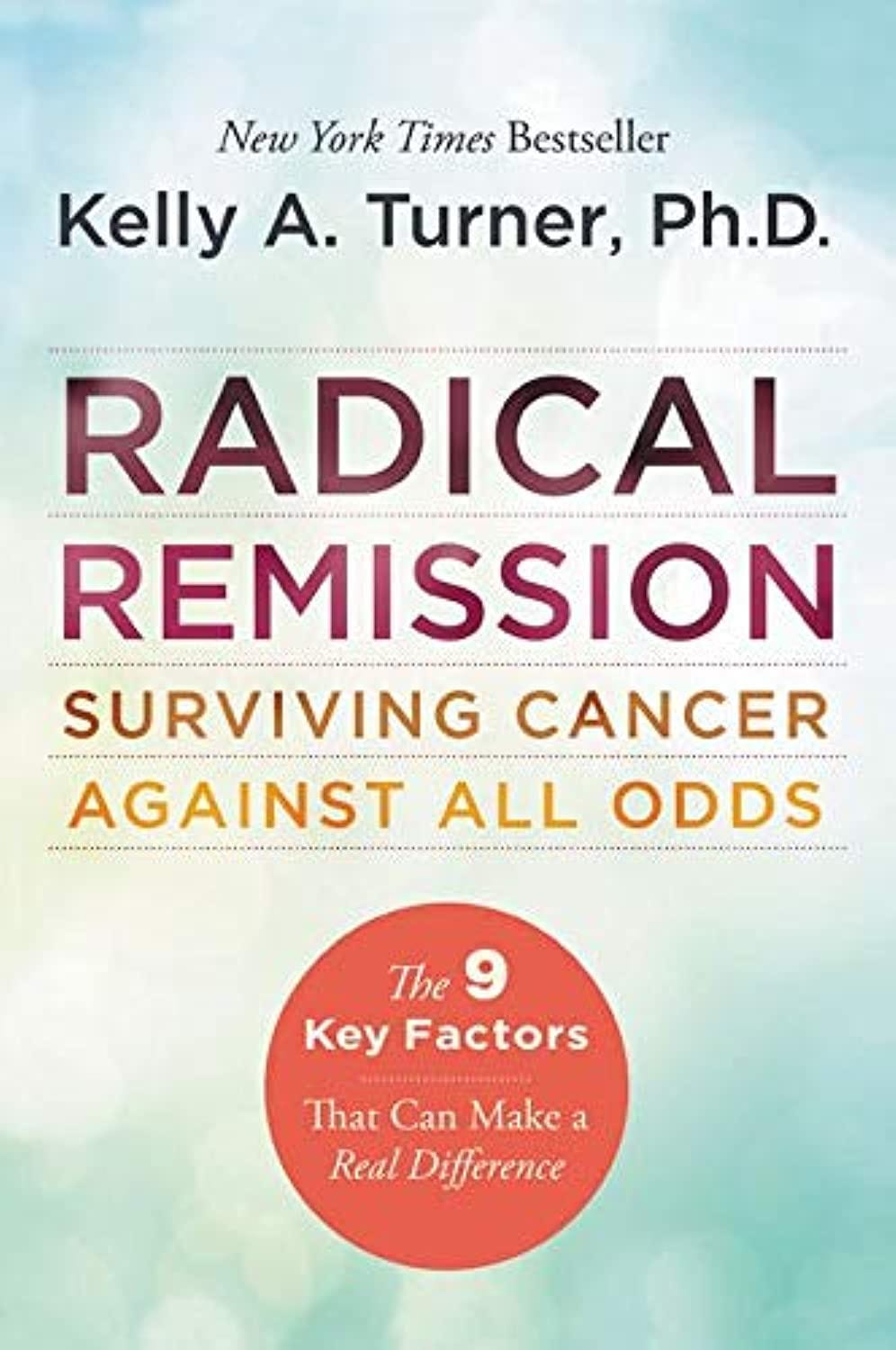
I understand why the title works. It captures attention. It names something that falls outside what the data predicted. In a system built on survival curves and median outcomes, an unexpected remission can feel radical.
But the behaviors themselves are not fringe. They are not extreme. They are not anti-science. They are deeply biological. Profoundly human.
Nothing I did felt radical. It felt like waking up. Becoming conscious of what I was eating, how I was living, what I was carrying, what I was avoiding. Returning to food that nourishes instead of inflames. To calm instead of chronic fight-or-flight.
To taking charge of my health.
If anything, the friction appears when a western medicine system that prioritizes procedures and pharmaceuticals over terrain and lifestyle struggles to take these ten factors seriously.
The remission may look radical on paper.
The path takes a lot of work, no question about it. But it is NOT radical.
It’s steady. Engaged. Personal. Disciplined. Hopeful. Human.
Maybe the better phrase isn’t “radical remission.”
Maybe it’s “conscious healing” .... the deliberate, awake, daily choice to live in a body that makes disease work harder to take hold.
———
These essays are for educational purposes only and are not intended to diagnose, treat, prevent, or cure any disease.
About the Author
Chris Joseph is a Certified Metabolic Terrain Advocate and Certified Radical Remission Coach who learned firsthand how powerful it can be to change the conditions inside the body. In October 2016, he was diagnosed with stage 3 inoperable pancreatic cancer. Instead of framing his journey as a fight, Chris focused on understanding and improving his body’s terrain—nutrition, metabolism, environment, stress, mindset, and purpose.
Nearly a decade later, he continues to thrive.
Through his work with Terrain Navigators, Chris helps individuals facing cancer and other complex illnesses become informed, proactive participants in their own care. He blends lived experience, metabolic science, practical strategy, and grounded hope. His style is direct, compassionate, and realistic—never extreme, never dogmatic.
Chris is also the author of Life Is a Ride: My Unconventional Journey of Cancer Recovery. He works with clients privately, teaches workshops, and offers group programs designed to help people create conditions where health has a better chance to flourish.
How to Reach Chris
Learn more or schedule a consultation at:
https://terrainnavigators.com
Chris, this post contains the words and logic that I have been searching for. You have provided a new way to frame the conversation; to show how even one word matters and can control our thinking and choices.
This reasoned approach may help relieve the doubts that so many people have when either they or their loved ones consider turning towards metabolic health via the hard work of lifestyle changes. Thank you.